


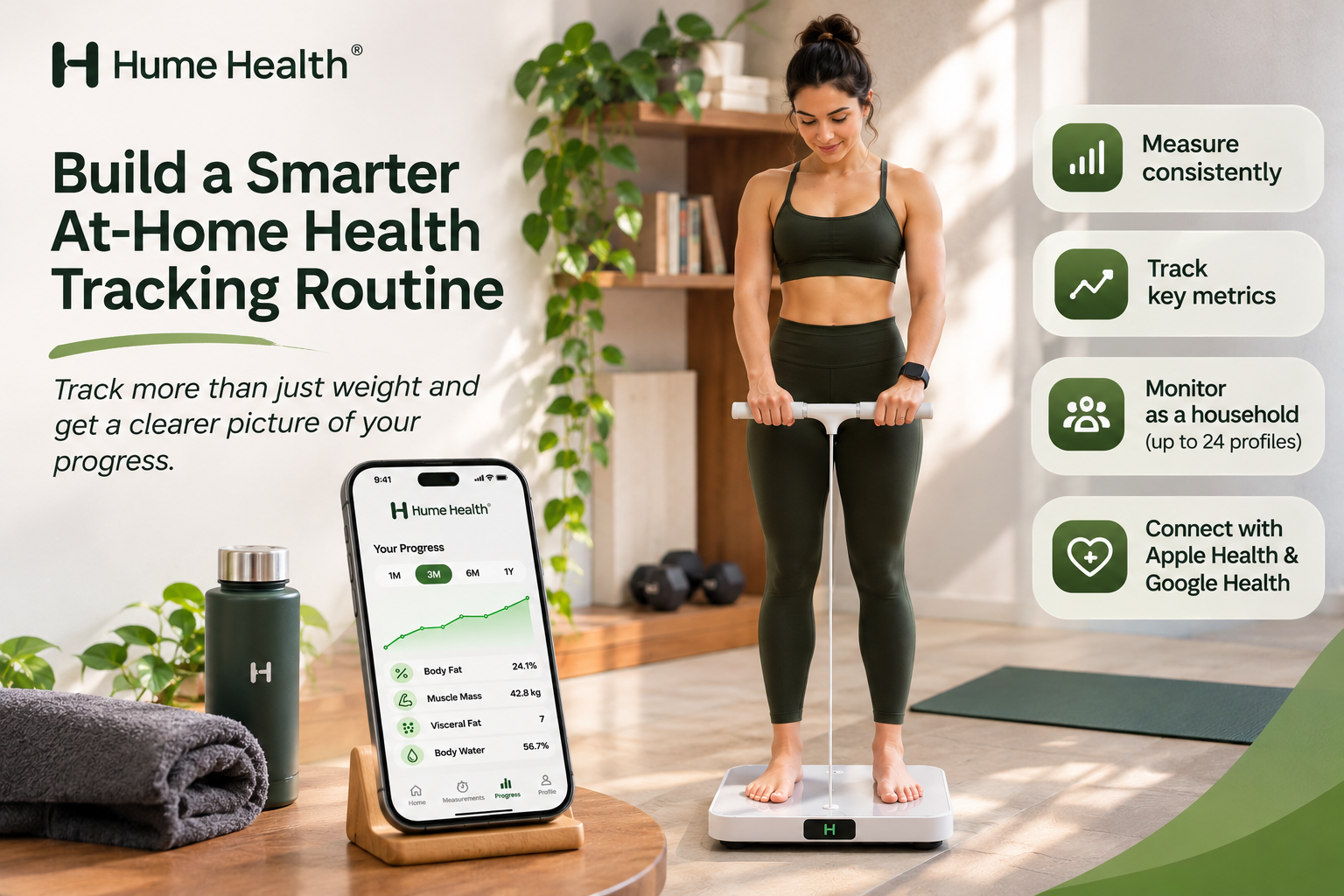
Building a healthier lifestyle does not always require complicated routines or expensive gym memberships. Sometimes, the first step is simply understanding your body and tracking changes over time. With tools like the Body Pod, Hume Health offers a convenient way to explore body composition tracking at home and make everyday fitness decisions with more information. This can make your routine easier to follow without adding pressure to your day.
Step 1: Start With a Clear Picture of Your Current Health
Before setting fitness goals, understand what you want to improve. Weight is only one measurement; body fat, muscle mass, and body water can provide additional information. The Body Pod from Hume Health estimates multiple body composition measurements. Think about why you want to track, whether to follow strength training, general wellness, or changes in your routine. A clear starting point helps keep goals realistic.
Step 2: Choose Measurements That Match Your Goals
Different fitness goals require different ways of tracking progress. Someone focusing on strength training may be interested in muscle mass, while another person may want to monitor body fat. The Body Pod provides more than 45 measurements, according to Hume Health, helping users explore different aspects of body composition. Choose indicators that relate to your goals. Select information that is genuinely useful to you.
Step 3: Set Up Your Personal Tracking Space
A consistent place for measurements can make health tracking easier to maintain. The Hume Body Pod is designed for home use and connects with the Hume Health app, where users can access readings and measurement history. Explore the device and its features through Hume Health. Read the setup instructions before taking your first measurement. A familiar setup can make regular use easier.
Step 4: Build a Consistent Measurement Schedule
Measuring at random times can make results harder to compare. Try following a consistent routine, such as measuring in the morning under similar conditions. Hydration, meals, and other factors can influence readings, so longer-term patterns are generally more useful than individual changes. Follow the measurement guidance provided by Hume Health and choose a schedule you can maintain. Consistency makes comparisons more useful over time.
Step 5: Keep Your Health Information Connected
Managing information across multiple apps can become inconvenient. The Hume Body Pod supports compatible platforms such as Apple Health and Google Health Connect, helping users bring health measurements together. These connectivity options make Hume Health worth considering if you prefer organised information. Check device compatibility and app permissions before connecting accounts or sharing data. Only connect services that you actually plan to use.
Step 6: Make Tracking a Shared Household Routine
Health tracking can become a shared activity at home. The Hume Body Pod supports up to 24 individual user profiles, allowing household members to maintain separate measurement histories. This makes Hume Health an option for families who want to monitor individual progress using one device. Select the correct profile before each measurement and respect everyone’s privacy. Separate records help everyone focus on personal progress.
Step 7: Review Your Progress and Adjust Your Habits
Measurements are most useful when they help you understand your routine. Review results over several weeks and consider how exercise, nutrition, sleep, and everyday habits may influence progress. The tracking features available through Hume Health provide additional information to consider. Look for patterns rather than assuming one reading explains a change, and adjust habits thoughtfully. Small adjustments are easier after reviewing repeated patterns.
Step 8: Understand What Your Readings Mean
Body composition measurements offer estimates, not a complete picture of health. Body fat, muscle mass, and body water describe different aspects of your body, so consider them together. Information from Hume Health can support personal tracking, but it is not a medical assessment. BIA readings can vary with hydration, meals, exercise, and measurement conditions. These estimates should always be interpreted with care.
Step 9: Avoid Reacting to Every Small Change
Readings can vary because of hydration, meals, exercise, and measurement conditions. A single unexpected result does not necessarily mean your routine needs to change. Reviewing trends over time with Hume Health can help you focus on patterns instead of one measurement. Give your habits time to develop and compare readings taken under similar conditions. Patience can prevent unnecessary changes to your routine.
Step 10: Keep Your Routine Simple and Sustainable
A tracking routine should fit naturally into everyday life. Choose a measurement schedule you can maintain, follow the device instructions, and review your history periodically. The tools available through Hume Health can help organise readings, but consistency matters more than checking constantly. Pair tracking with regular movement, balanced meals, and sufficient rest. Simple habits are often easier to maintain long term.
Step 11: Choose a Practical Time to Measure
Choose a time that fits your schedule and repeat measurements under similar conditions. A predictable routine can make comparisons easier and less disruptive. Follow the instructions from Hume Health so each measurement uses the recommended process. If your schedule changes, return to a consistent approach when possible rather than abandoning tracking altogether. Choose a time that works with your normal schedule.
Check Product Features Before You Buy
Before choosing a tracking device, review its specifications, app requirements, and supported integrations. Consider which features you are likely to use regularly. Current product details from Hume Health can help you decide whether the Body Pod suits your needs. Check current pricing and features, and consider whether the device fits your budget and home setup. Checking details first can help avoid unexpected limitations.
Use Compatible Health Apps Thoughtfully
Connected platforms can make information easier to access, but availability depends on device compatibility and settings. Check supported connections before setup. Hume Health provides details about its app and compatible integrations. Review app permissions and decide which information you want to share. Use only the connections that add value to your routine. Review settings occasionally as your devices and needs change.
Make Space for Progress Beyond Measurements
Improvements can also appear in stamina, strength, mobility, or confidence with daily activities. These experiences deserve attention alongside numerical readings. Use Hume Health as one source of information, not the only measure of success. You might notice that an exercise feels easier or that you are more consistent with your schedule. Recognising these changes can help maintain motivation.
Is the Hume Body Pod a Useful Addition to Your Routine?
If you want more information than a traditional weighing scale provides, the Hume Body Pod is worth exploring. Its body composition estimates, app connectivity, and multiple-user support offer a broader approach to home tracking. Before purchasing, review the latest specifications, available features, and pricing through Hume Health. Consider whether you will use its features regularly. A realistic purchase decision should consider long-term usefulness.
Make Your Health Goals Easier to Follow
A consistent health routine starts with realistic goals and a willingness to understand your progress. Tracking different body measurements can provide useful context, but readings are estimates rather than medical diagnoses. With its Body Pod and connected app, Hume Health offers another way to make at-home health tracking part of your everyday routine. Keep expectations practical.